
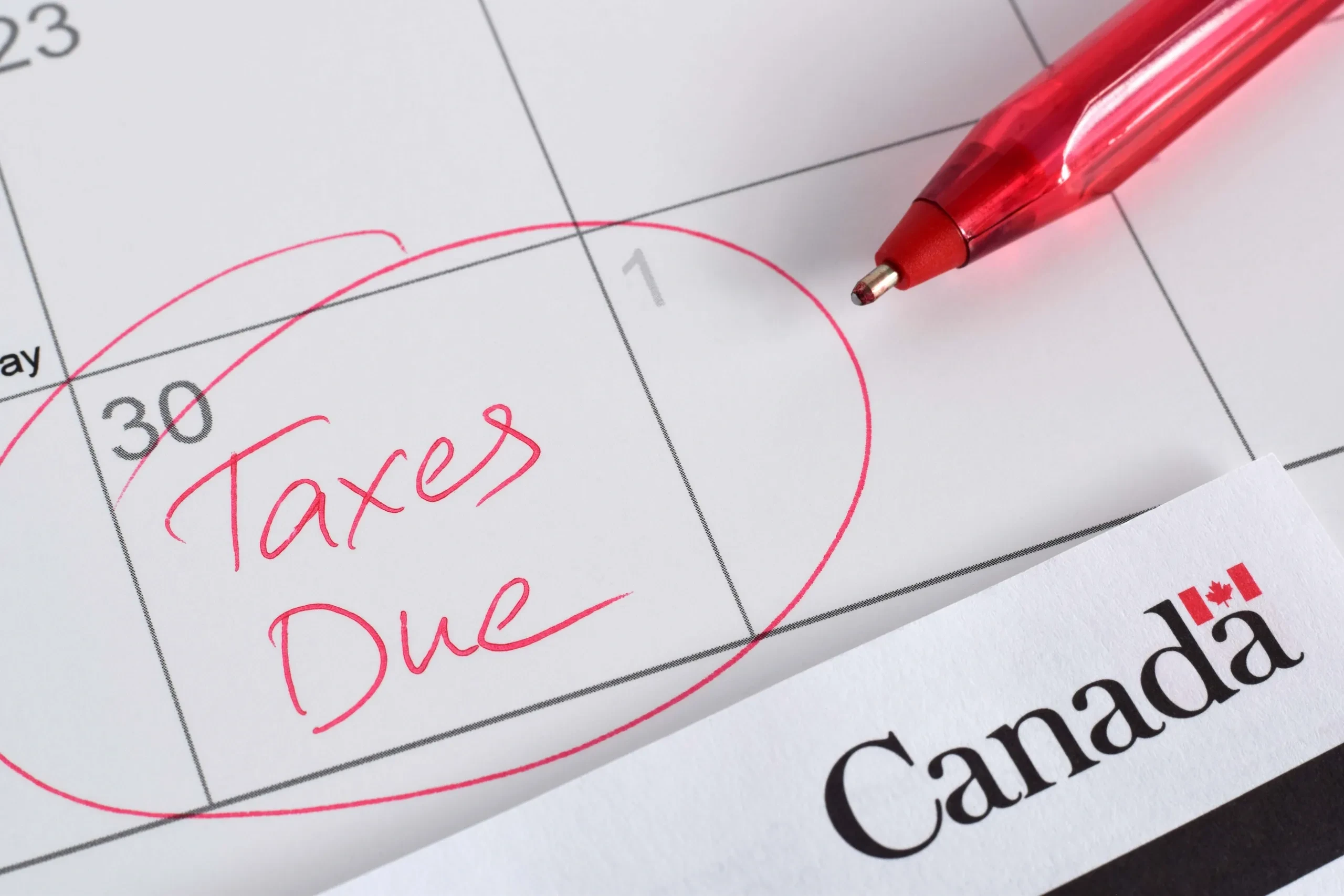
Canadian tax deadlines can arrive quickly, especially when you are balancing payroll, sales tax, corporate filings, and day-to-day operations. Missing a due date can lead to interest charges and penalties, so a clear calendar is one of the simplest ways to protect your business.
Start with the deadlines that apply to your business
Not every Canadian business has the same filing schedule. Your obligations depend on your business structure, fiscal year-end, payroll account, GST/HST reporting period, and whether you make instalment payments. Build your calendar around the accounts and returns that actually apply to you rather than relying on a generic checklist.
Keep a separate record of filing dates and payment dates. In some cases, a return and the related balance are due on the same day; in others, the payment schedule may differ. Confirm your requirements through your CRA account or with your tax advisor whenever your business changes.
Personal income tax deadlines
Most individuals file their personal income tax and benefit return by April 30. If you or your spouse or common-law partner is self-employed, the filing deadline is generally June 15. A later filing date does not usually extend the deadline to pay any balance owing, which is generally April 30.
If you expect to owe tax, prepare early enough to review your numbers and arrange payment. Filing on time helps avoid late-filing penalties, while paying on time helps limit interest on an outstanding balance.
Corporate tax return and payment deadlines
A corporation generally has to file its T2 return within six months of its fiscal year-end. The deadline is based on your chosen year-end, not the calendar year, so note it as soon as the fiscal year closes.
Corporate tax balances are commonly due two months after year-end, although certain Canadian-controlled private corporations may qualify for a three-month payment deadline if they meet CRA conditions. Your situation matters, so confirm the applicable rule before planning around the extra month.
GST/HST filing and payment dates
GST/HST reporting frequency may be annual, quarterly, or monthly. Monthly and quarterly filers generally have to file and pay one month after the end of the reporting period. Annual filers have a different timetable, and some individuals with a December 31 year-end may have separate filing and payment dates.
Reconcile sales tax regularly instead of waiting until the filing date. Tracking tax collected, input tax credits, and adjustments throughout the period can prevent a rushed return and make cash-flow planning much easier.
Payroll remittances and year-end slips
When you have employees, payroll remittances for income tax, CPP, and EI must reach the CRA according to your remitter type. New or smaller employers are often regular remitters, but due dates can be more frequent for accelerated remitters. Check your payroll account to confirm your exact schedule.
T4 and T4A information returns are generally due by the end of February following the calendar year to which they relate. Make time in January to reconcile payroll records, taxable benefits, and remittances before preparing slips.
Instalments deserve their own reminders
Individuals and corporations may be required to make tax instalments when they meet the CRA threshold. These are advance payments, not optional estimates, and missed or insufficient instalments may result in interest.
Review your instalment notices alongside your current income and cash flow. If your business has changed significantly, ask whether a current-year calculation makes more sense than simply following a prior-year amount.
Turn due dates into a plan, not a last-minute scramble
A tailored tax calendar makes compliance manageable and gives you more time to make informed business decisions. VerTax CPA can help you identify the deadlines that apply to your situation and keep your reporting on track.
Book a tax consultation